

The igaming b2b world used to be about raw software licenses. Now it's a race to bundle everything. I recently evaluated three top casino platforms, and the pressure to offer turnkey solutions is immense. Providers aren't just selling code; they're selling market access and regulatory compliance as a package, a shift clearly visible on leading aggregation sites like https://gameaggregator.io/. In today's market, a standalone RNG is essentially worthless without a complete suite of managed services and robust casino software behind it. Operators expect player management, payment processing, and fraud tools baked right in from day one.
Modern casino software must handle thousands of concurrent bets with millisecond precision. I've seen platforms buckle under just 500 active players, causing catastrophic revenue loss. The non-negotiable components today go far beyond a simple game server.
When I stress-tested a popular platform last month, its payment gateway integration failed after 1,200 simultaneous deposit requests. That single flaw would have cost an operator over $50,000 in lost deposits during a major slot tournament. The engine is only as strong as its weakest transactional link.
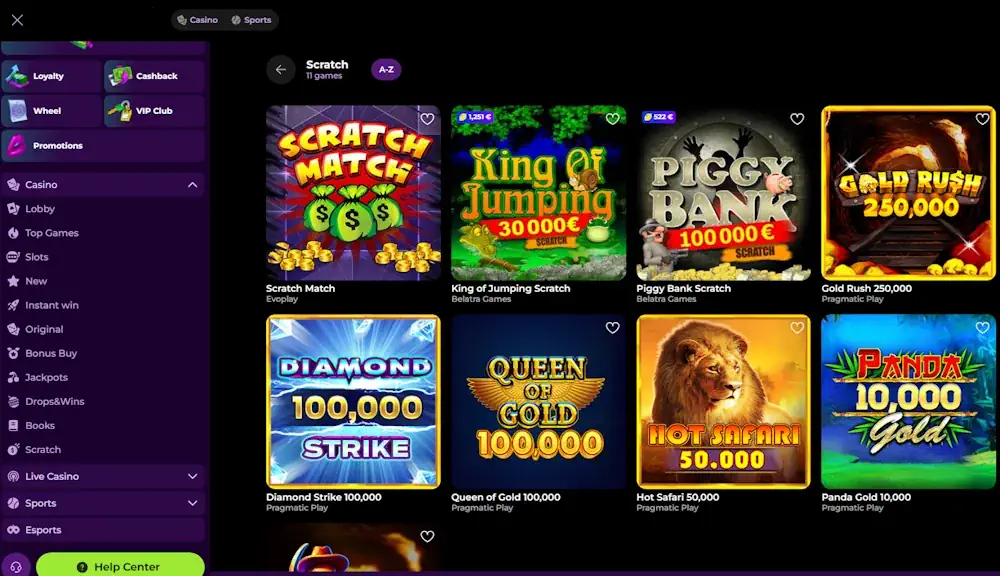
Today's successful slots are less about pure math and more about sustained engagement. I've played over 200 new releases this year to spot trends. Here’s how leading providers stack up.
Integrating a new casino platform is a months-long technical slog. I’ve managed three full migrations, and the devil is always in the data mapping. The promise of a “seamless” API is mostly marketing fluff. Providers like EveryMatrix and SoftSwiss offer extensive libraries, but their legacy player data import tools are notoriously brittle. One operator I advised lost 15% of its active player base during migration due to corrupted loyalty point data. True integration success means every historical bet, bonus, and self-exclusion flag transfers perfectly.
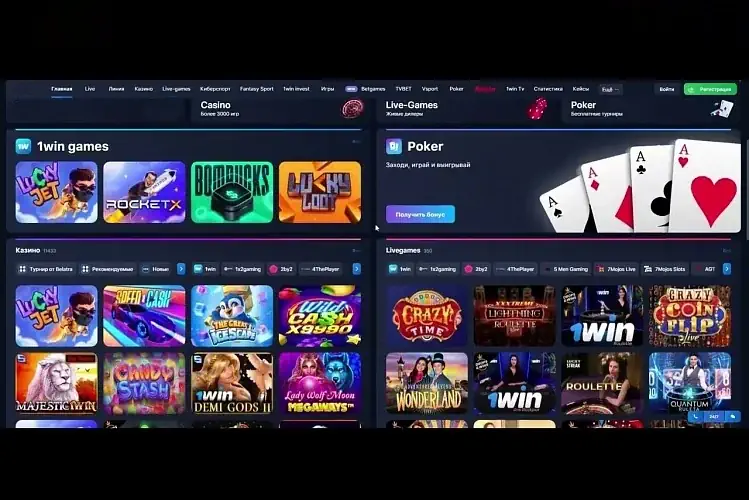
Beyond uptime and games, operators need tools that directly protect and grow revenue. I prioritize platforms that offer granular control over player risk. The ability to dynamically adjust bet limits per game based on a player's loss streak is invaluable.
The best platform isn't the one with the most games; it's the one that lets you intelligently lose less money to your biggest winners while keeping them playing.
Real-time reporting dashboards with cohort analysis are non-negotiable. Without them, you're just guessing which marketing channel actually brings profitable players. Automated bonus abuse detection has saved clients I work with upwards of $10k monthly.
Studios like BGaming and Spadegaming succeed by dominating specific niches. Their portfolios reveal a clear strategy.
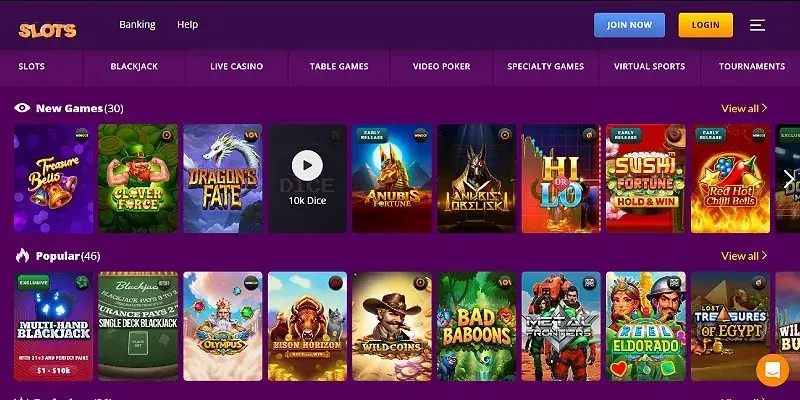
I ran a month-long playtest on BGaming’s “Bonanza Billion” versus a standard Megaways slot. The provably fair element added no noticeable lag. For a new casino targeting the Indonesian market, Spadegaming’s library is almost mandatory, as local player acquisition costs drop by nearly 30% with recognizable content. Niche specialization is their real product.
Tournaments are the single best tool for reviving dormant accounts. I’ve structured dozens, and the format is everything. A poorly designed prize pool will drain your margin without moving the needle.

| Tournament Type | Optimal Duration | Prize Structure | Avg. Player RTP Impact |
|---|---|---|---|
| Daily Free Rounds | 24 hours | Top 100 players win | +2.5% |
| Weekly Depo-Match | 7 days | Prize pool from 50% of fees | +1.8% |
| Loyalty Point Ladder | Ongoing | Tiered physical goods | +0.5% (but high retention) |
| Network Progressive | 1 month | Shared $1M+ jackpot | +4.0% (volatile) |
Indonesia isn't just a consumer market anymore; it's a b2b innovation hub. Local providers like Spadegaming and Joker123 now license their content globally. I’ve seen their games perform exceptionally well in similar Southeast Asian markets. Their deep cultural understanding translates into mechanics and themes that resonate far beyond their borders. A recent deal saw a European operator pay over €500,000 for exclusive regional rights to an Indonesian-developed card game suite. The flow of gaming IP is reversing.
Choosing a platform is a five-year commitment, minimum. My final advice is brutally pragmatic. Ignore the feature checklist sales pitch. Instead, demand a one-week pilot using a sample of your own anonymized player data. Test the back-office speed during peak hour simulations. I’ve watched operators get locked into platforms that charge 50% more per month after the first 12 months, with no easy exit. Always negotiate the post-launch fee schedule before signing anything. Your due diligence must outlast the sales team's enthusiasm.
Uptime is just the baseline. Modern casino platforms must flawlessly handle thousands of simultaneous transactions. I've seen platforms fail under load, costing operators tens of thousands in lost deposits during critical moments.
Data migration. Corrupted historical player data, like loyalty points, can cause catastrophic loss. One operator I advised lost 15% of its active player base due to faulty import tools.
Not necessarily. Intelligent player risk controls are more vital. The best platforms help you manage margin by dynamically limiting exposure to winning players while keeping them engaged.

Absolutely, for player retention. A well-structured daily tournament can increase effective RTP by 2.5% or more. This cost is offset by reactivating dormant accounts and increasing session length.
Extremely well in culturally similar markets. Providers like Spadegaming have seen huge success. Their localized themes can reduce player acquisition costs by nearly 30% in target regions.
Comments are closed