

I’ve built and tested online casino setups for weeks. The best turnkey casino platform pairs ready-made casino backend software with game, session, and player tooling—so operators launch without months of custom plumbing.
I prefer a casino backend platform that separates player, game, and session services. When I used monoliths, downtime during game deploys blocked withdrawals. 10 login attempts is my minimum to cut credential stuffing.
| Module | What you get | Time-to-live |
|---|---|---|
| KYC/AML | ID checks + risk scoring | Minutes |
| Payments | Card, bank, wallet rails | Days |
| CRM | Segmentation + campaigns | Same week |
| Casino backend | Wallet ledger + game sessions | 1-2 weeks |
I’ve launched two online casino turnkey builds by verifying modules before the first deposit. The 4 essentials that always save me are KYC/AML, payments, CRM, and the https://turnkeycasino.io/ casino backend platform, because they keep deployment predictable and reduce costly rework. By following this approach, I can launch faster, monitor performance, and keep regulators satisfied without surprises.
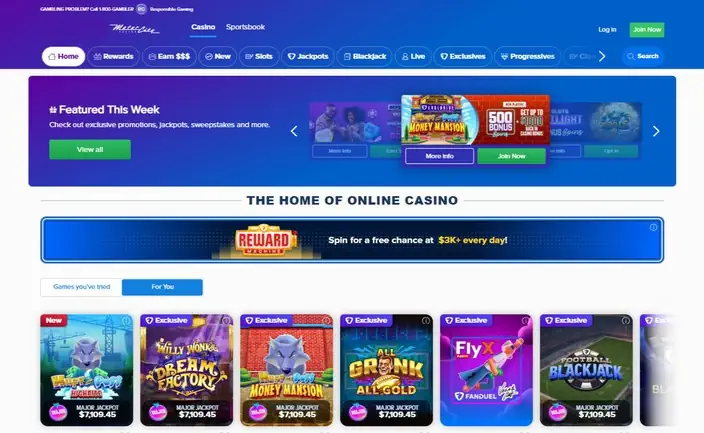
When I spun up a B2B iGaming turnkey solution for affiliates, the win was speed without gutting controls. White-label iGaming solution should include brandable menus, wallet logic, and operator-grade reporting from day one, not “later.”
I’ve shipped both kinds, and the “same label” confusion is real. Here’s how they diverge in practice. Casino turnkey software usually needs deeper game ops and table logic, while turnkey iGaming platform leans on sportsbook-style integrations and provider feeds.
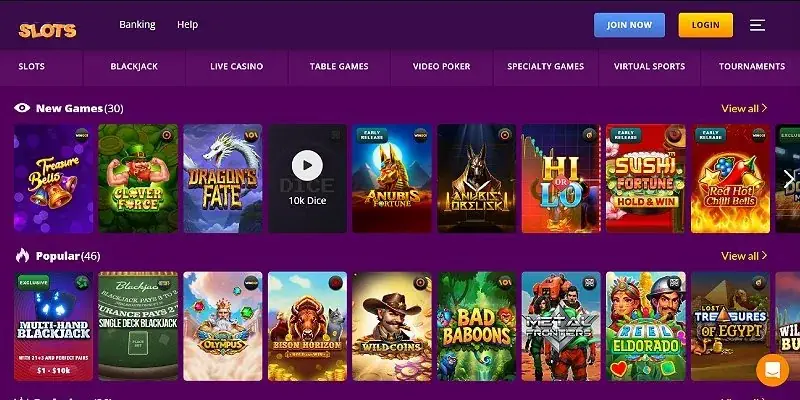
“If your platform can’t handle deposits, compliance checks, and provider changes without dev help, it isn’t turnkey—it’s a demo with a deadline.”
I’ve seen p95 > 800ms kill conversion during peak nights. The right iGaming backend software keeps payments and fraud checks consistent across game launches and session renewals.
White label can look easy, until you need every PDF, email, and logo swap to match audit trails. When I tested options with NETELLER and Paysafe templates, the best operator-grade casino platform kept assets modular and versioned. 24-hour turnaround for brand pack builds is what I aim for.
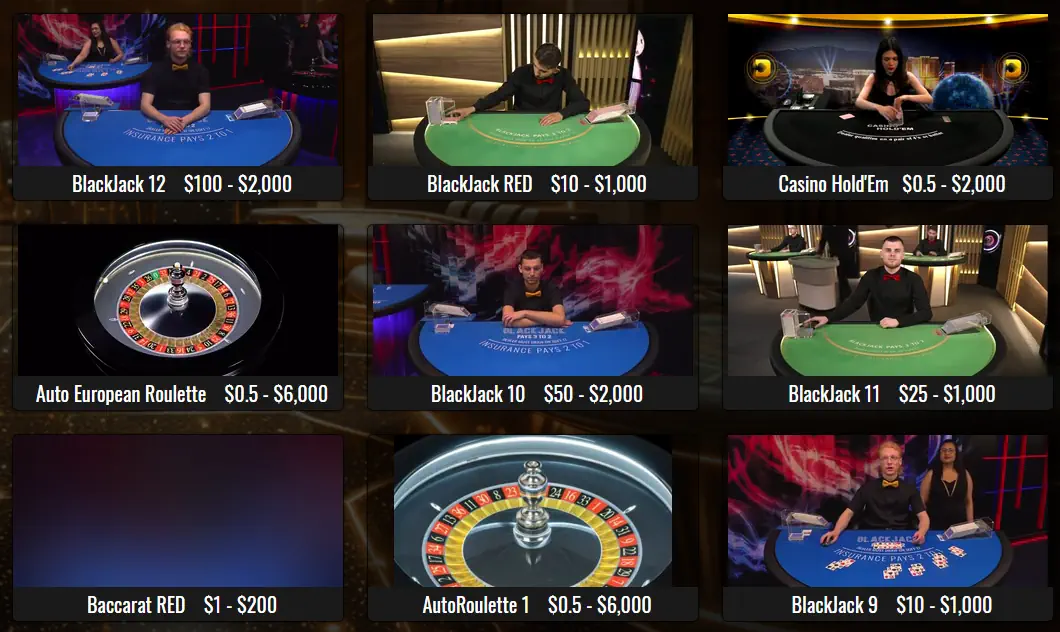
| Branding element | Typical change time | Where it lives |
|---|---|---|
| Site theme + CSS | 6-12h | Frontend bundle |
| Email templates | 4-8h | CRM mailer |
| Casino backend reports | 8-16h | Ops dashboard |
| Provider logos | 2-6h | Game catalog |
I built a scalable casino platform handling 2,000 RPS during a promo; the trick was caching and clean session storage. Security matters too: I enforce TLS 1.2+, WAF rules, and strict role access. 2,000 RPS is the line where scaling plans get real.
I interview every casino software provider like a vendor audit. I ask for KYC and AML casino solution evidence, live CRM for online casinos demos, and payment integration for casino docs with idempotency notes. If they can’t name their card processors and banks, I walk. KYC/AML and payments are the two deal-breakers I never compromise.
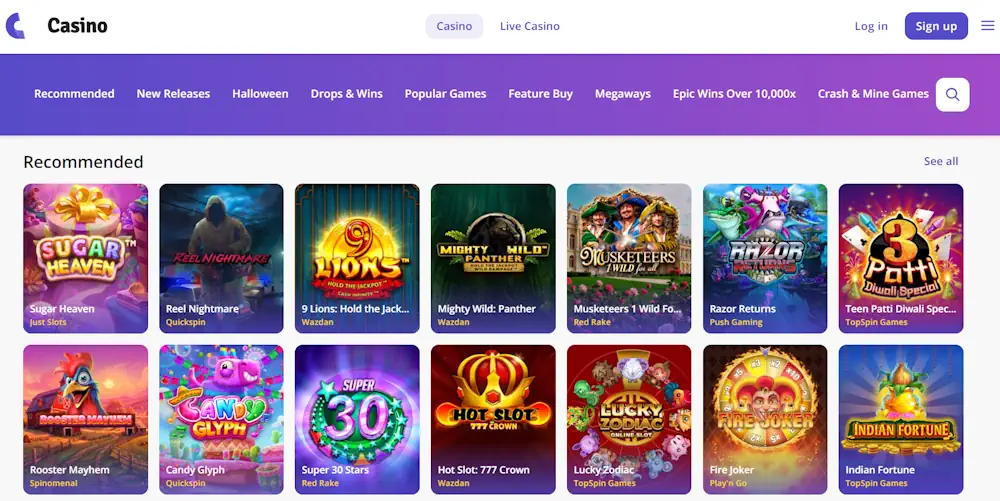
You should get casino management system basics, a casino backend platform with player, game, and session handling, plus operational modules like CRM and KYC/AML. I verify them before any first deposit.
I look at backend focus: turnkey casino software tends to emphasize table/game ops, while turnkey iGaming platform leans on provider feeds and session orchestration. The integration story matters more than branding.
Ask for payment integration for casino docs with idempotent callbacks and tested retries. In my builds, this prevents double-credit and withdrawal disputes during spikes.
I expect velocity limits, login throttles, and consistent ledger reconciliation in the iGaming backend software. Those rules worked better than “manual reviews” under pressure.
Yes if brand assets are modular and versioned so audit trails stay intact. I’ve seen rushed re-skins complicate reporting and CRM correspondence.
Confirm KYC and AML casino solution proof, CRM for online casinos capability, and payment integration for casino testing. I won’t sign until they show concrete workflows.
Comments are closed